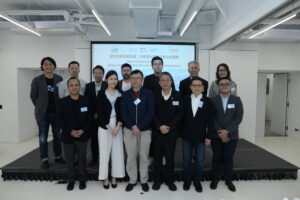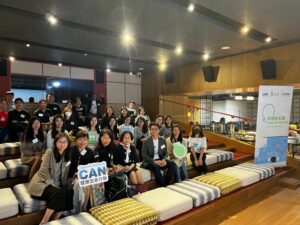
Yesterday, Civic Exchange, CAN and the Hong Kong University of Science and Technology held a press conference to unveil the results of a year-long roadside pollution monitoring survey conducted through HKUST’s MAP (Mobile Air Pollution) van in all 18 districts of Hong Kong. The research contained damning evidence of the canyon or “wall” effect in our highly urbanized environment and revealed many dangerous hot spots not currently monitored by the EPD. Key highlights of the findings were:
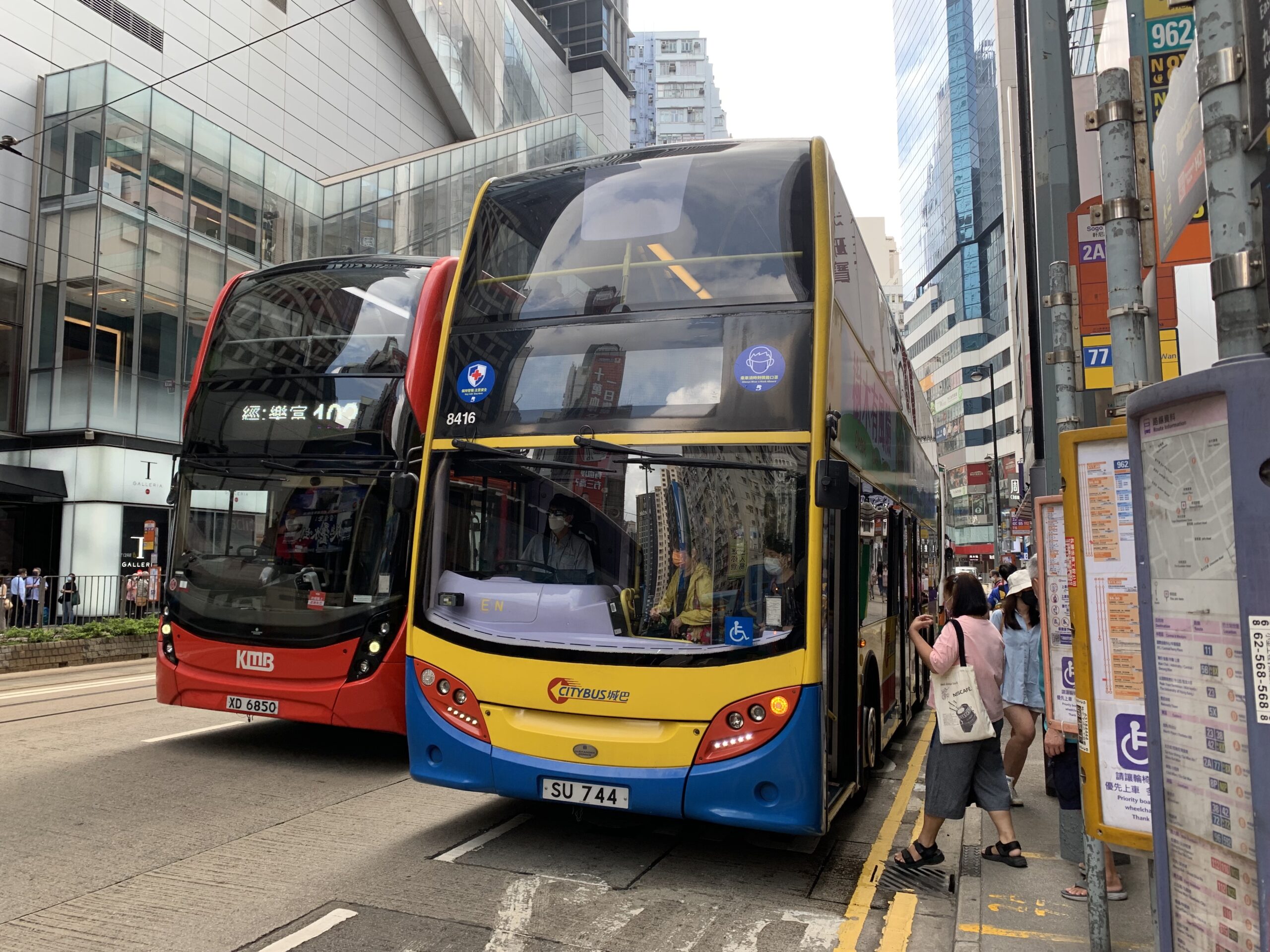
- Despite much higher traffic flow on highways (which have good ventilation), urban streets recorded the highest NO2 levels due to poor ventilation.
- Greening is vital to mitigating air pollution. Green lungs such as Victoria Park dramatically reduce NO2 levels.
- There are several roadside pollution hotspots not monitored by the EPD, e.g., Kwai Chung and Kwun Tong.
- Pollution from ships with high SO2 levels contributes to the poor air in Kwai Chung.
- Roadside pollution impacts many vulnerable groups like hospital patients, the elderly and children; 100,000 kids go to school along the most polluted sections of the MAP routes in 4 districts alone (Yau Tsim Mong, Central Western, Wan Chai and Kwai Chung)
Yesterday’s press conference only revealed part of the full research results. CAN will post the results for each district as they become available from HKUST.